The SAVE repayment plan is expected to be discontinued, and borrowers will begin receiving formal notices from their loan servicers July 1st outlining when they will be removed from the SAVE plan.
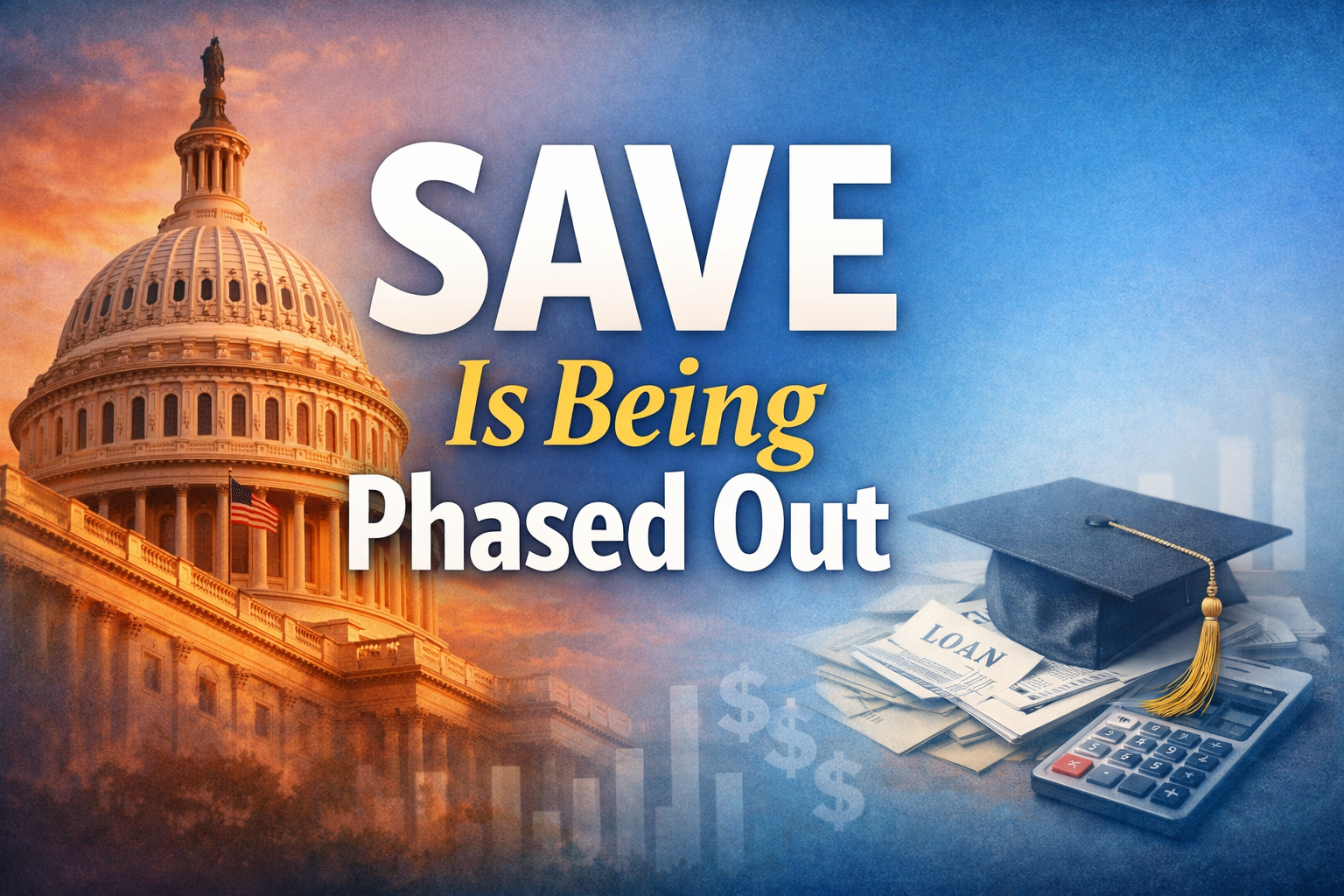
Borrowers currently enrolled in the Saving on a Valuable Education (SAVE) plan should be aware of important upcoming changes that could significantly impact their monthly payments and long-term loan costs.
The SAVE repayment plan is expected to be discontinued, and borrowers will begin receiving formal notices from their loan servicers July 1st outlining when they will be removed from the SAVE plan.
Once you receive notice from your servicer:
For many borrowers, this will likely mean:
This automatic transition can be costly if not addressed proactively.
The shift away from SAVE means borrowers could lose access to lower, income-driven payment options they’ve relied on. Without a plan in place, you may end up paying substantially more over the life of your loan.
If you’re considering “waiting it out” or hoping for additional changes, it’s important to understand the risk:
The best approach is to act early and secure your next steps now.
If you’re working with us or planning to make sure you:
The end of SAVE is a major shift, and waiting could cost you. With limited time to respond once notices go out, taking action now can help you stay in control of your repayment plan and avoid unnecessary financial strain.
If you have questions or need help mapping out your next move, we’re here to guide you.
The strategy outlined in this article is designed to help you save on federal student loans and work towards forgiveness. Please be aware that the federal student loan landscape is subject to change. Adjustments to this strategy may be necessary with evolving regulations and policies, and by working with us, you can be confident that you are leveraging expert guidance to ensure you are always on the best path to maximize your student loan forgiveness.The contents of this article are the property of Student Loan Tutor. This message may contain an advertisement of a product or service. Student Loan Tutor does not render legal, tax or accounting advice. Accordingly, you and your attorneys and accountants are ultimately responsible for determining the legal, tax and accounting consequences of any suggestions offered herein. We recommend that you consult with your legal and tax advisers regarding this communication. Student Loan Tutor is not affiliated in any way with the US Department of Education. The estimates contained herein are based on estimates derived from the studentaid.gov federal student loan repayment calculator, taking into consideration repayment plans, federal student loan forgiveness, and tax implications associated with current tax estimates using TurboTax percentages for 2025. Student Loan Tutor accepts no liability for estimates contained herein as a borrower's life circumstances, final submitted documents, student loan law subsidies, loan forgiveness and tax implications can change at any time without any notice and many of these strategies are only recently starting to be realized due to long loan forgiveness terms. A number of factors could drastically change these figures, including but not limited to the following: using forbearance or deferment, missing a recertification, changes in law including but not limited poverty line index, spousal income, income documentation protocol, repayment plans, public service loan forgiveness qualifications, tax law, household size, additional loans, consolidations, refinancing and the COVID-19 Pandemic.
Looking for more information about how to navigate the terrain of student loans? Check out more of our most recent blog posts.

September 7, 2026
Changing student loan servicers can create confusion, but your debt does not disappear. Verify balances, payments, repayment plans, auto pay, and account details to keep your student loan strategy on track...
August 31, 2026
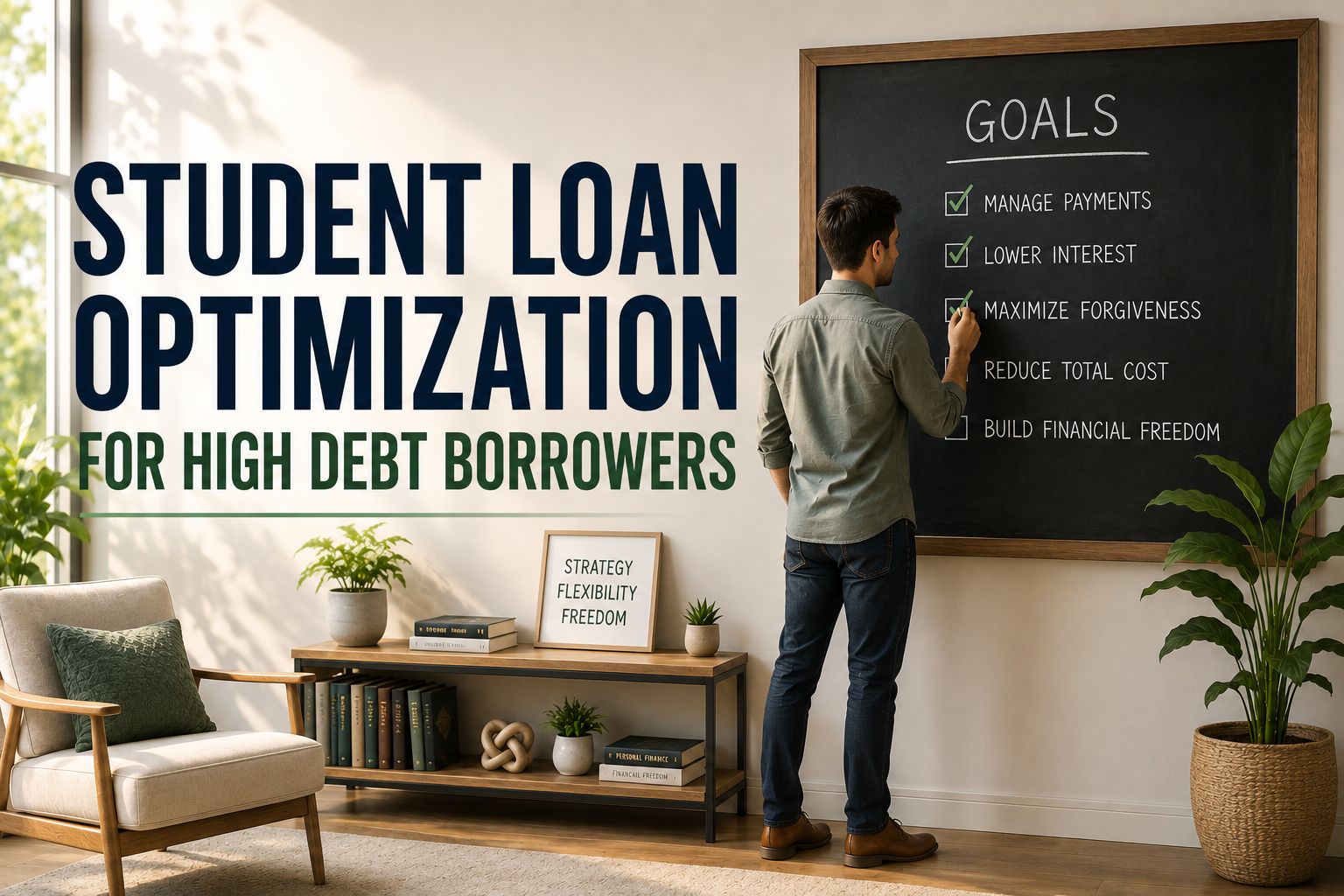
Student Loan Tutor helps high debt borrowers evaluate repayment plans, forgiveness opportunities, income, taxes, and career factors to build a personalized strategy for managing student loans and reducing long-term costs...
August 24, 2026
Tax strategy can influence student loan payments and forgiveness. Managing income, filing status, retirement contributions, and potential tax consequences can help borrowers reduce costs and build a smarter repayment strategy...